By Amrinder Sahota
What do we inherit when we inherit a story? A name, perhaps. A place to belong. Sometimes a version of the past that tells us who to admire and whom to distrust. My books begin with the desire to look more closely at those stories—and at the people inside them.
I’m Amrinder Sahota, the author of Mrig: Reborn in the Mahabharata, Volume 1 and Sun and Moon: One Tree, Many Names. One is reincarnation fantasy; the other is reflective nonfiction about ancestry, Punjab’s heritage and family memory. They take different paths through a question that matters to me: how much of who we become is shaped by the stories we receive?
Mrig: living among the legends
My family’s tradition connects our ancestry to warriors in the Mahabharata. That tradition helped inspire Mrig. It gave me a reason to imagine living within the epic’s world, while keeping a clear distinction between inherited belief and historically verified descent.
Harmin Sahota travels from Canada to his grandfather’s village in search of his family’s past. A hidden chamber brings him to another life: he wakes as Mrig, a child in the world of the Mahabharata. The princes are still boys. Before their names become fixed as heroes and enemies, they can become his friends.
That is where the story becomes personal. Knowing a legend is one thing; caring about someone inside it is another. Mrig has memories that set him apart, but knowledge cannot make every choice safe. This opening volume follows childhood, friendship, discovery and the cost of power.
Sun and Moon: following the names
Sun and Moon began as a search through family origins. Four names set it in motion: Suhotra, Sahotra, Sahota and Sihota. Following them brings family memory into conversation with Punjab’s heritage, older texts, solar and lunar traditions, and changing faiths.
The book keeps asking what ancestry asks of the living. Can we value the courage of those before us without inheriting their hatreds? Can the search for our own people make room for someone we would once have called a stranger?
Those questions give the book its direction. Family memory, inherited tradition and documented history each have a place, with different kinds of evidence behind them. You do not need to share my surname or beliefs to recognise the wish to understand where you came from.
Where to begin
If you want to enter an imagined life among the people of the Mahabharata, begin with Mrig. If you are drawn to family names, Punjab and the meaning of belonging, begin with Sun and Moon. Explore the Mrig reading guide or read the free Sun and Moon preview through the links below before deciding whether to continue.
The connection between the books is the willingness to question a familiar story. What changes when we stop seeing only the names we have inherited and begin looking at the people behind them?
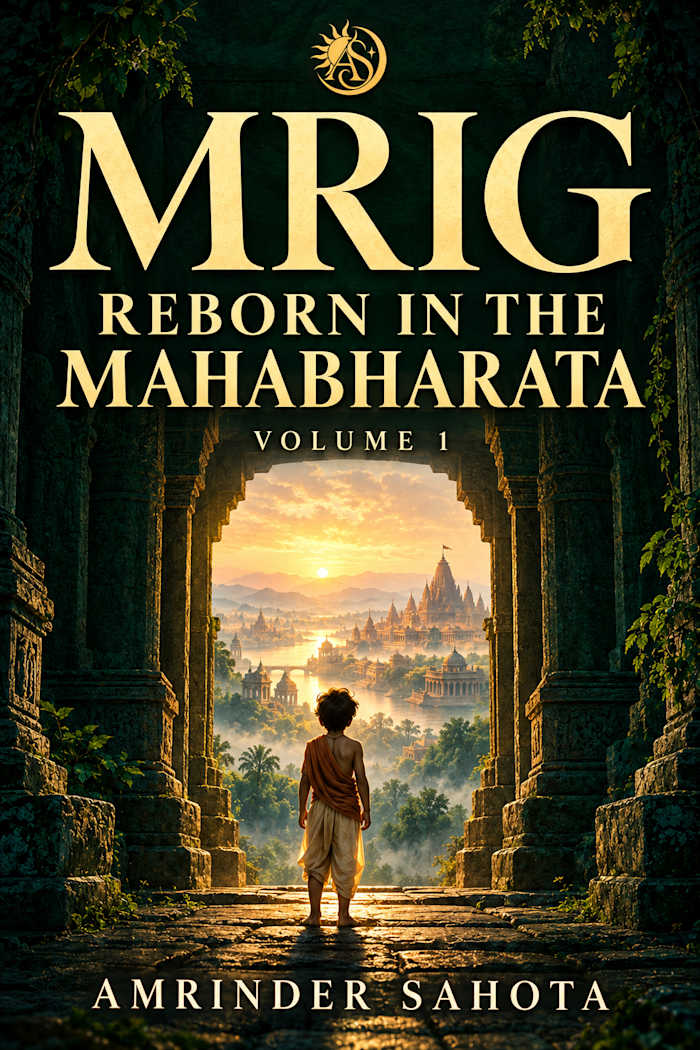
Mrig: Reborn in the Mahabharata, Volume 1
Reincarnation fantasy
He knew them as legends. Now he has to grow up beside them.
Explore Mrig and its reading guide
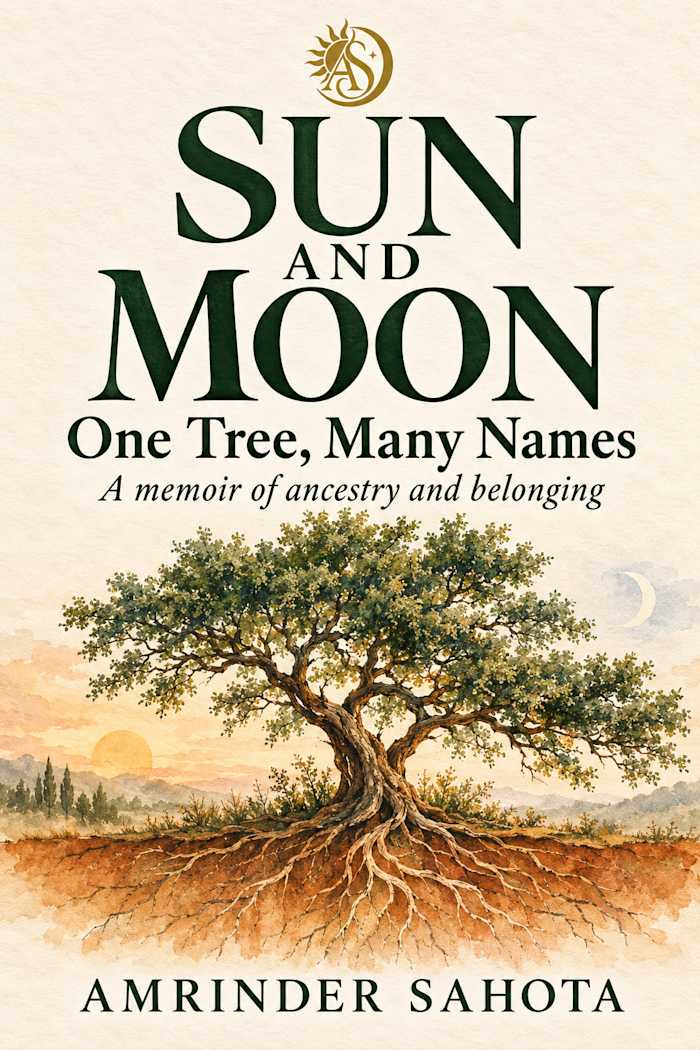
Sun and Moon: One Tree, Many Names
Ancestry and belonging
Four names begin a search that changes what “my people” can mean.
Read the free Sun and Moon preview
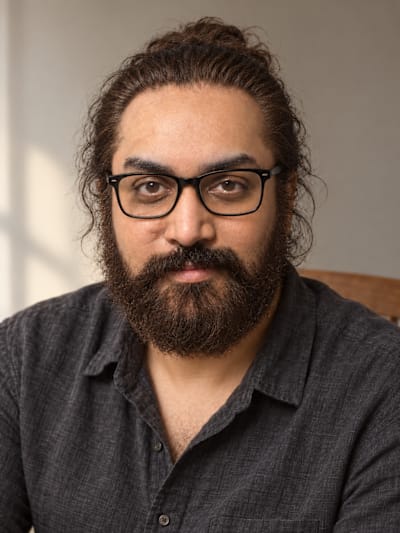
About Amrinder Sahota
Amrinder Sahota writes about the stories people inherit—and what happens when they begin to question them. In Mrig: Reborn in the Mahabharata, that question becomes an epic fantasy about rebirth, friendship and the cost of power. Sun and Moon: One Tree, Many Names follows a personal search through ancestry, Punjab’s heritage and family memory toward a wider understanding of belonging. The Day She Wasn’t Dead explores second chances through standalone time-travel fiction. His work explores identity through both imaginative fiction and reflective nonfiction.